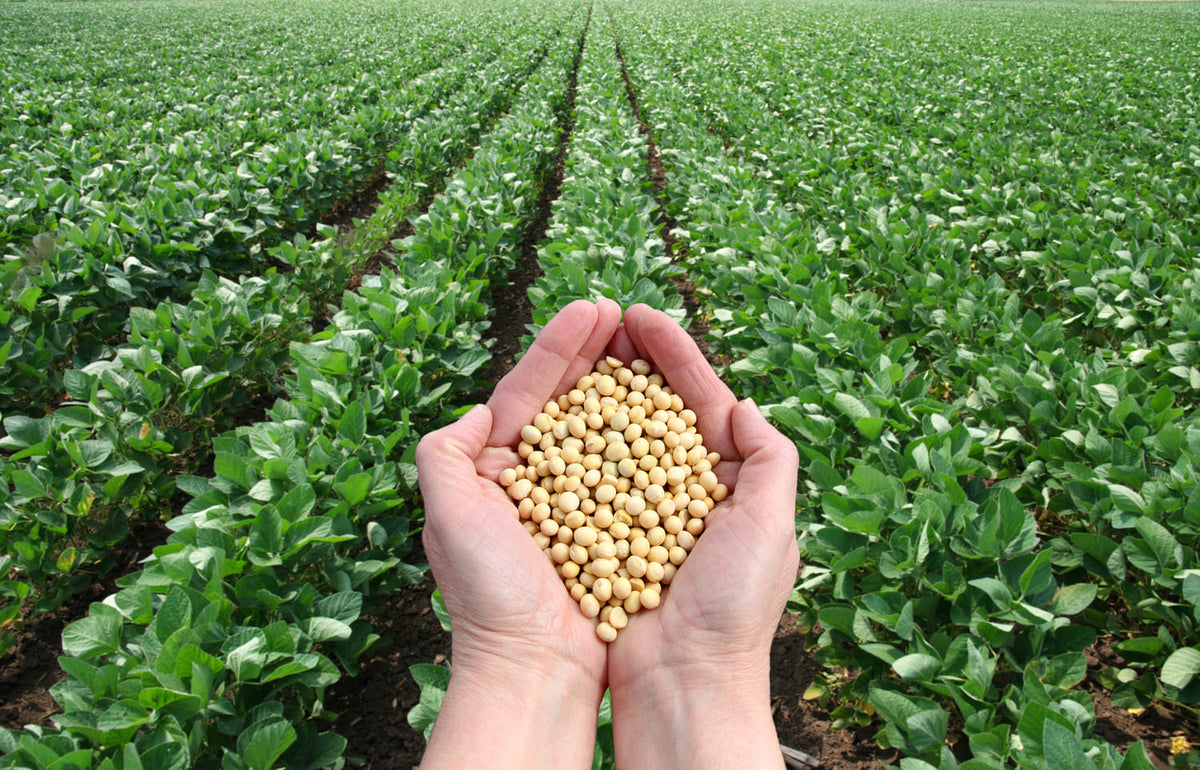
Even if you're not a vegetarian, plant-based protein sources can help you. Check out the 5 best foods of this type!
Protein is possibly the most important nutrient for anyone who wants to build muscle mass. That's why, even if you're not vegan or vegetarian, knowing the best plant-based protein sources is very useful.
Of course, animal-based protein sources contain a higher amount of the nutrient, but it's also a fact that it's entirely possible to get large amounts of protein without eating meat.
If you're on team vegetarian, the list below is worth its weight in gold: these are the foods that will make your life easier when it comes to reaching your daily protein goal. If you eat meat, the list below can also help you on this mission – not as main foods, but as a complement.
If you don't know how much protein you need per day, check out this article How much protein should I consume per day. With this information, knowing good protein sources is essential to get there every day.
Let's be clear: these are not the only plant-based foods with good amounts of protein. Quinoa, mushrooms, nuts, broccoli, asparagus, and dozens of others also contain good amounts of the nutrient. Here, the point is to show the richest ones.
And remember, too, that reaching your daily protein goal is no easy task. That's why options to increase your food intake should always be well regarded – and, of course, you can also count on the help of supplements like Whey Protein.
Want to know some of the best non-animal protein sources? Then check this out:
The 5 best plant-based protein sources for your diet
1- Soy

It's the legume that contains the most protein! One cup of cooked soy contains about 25g of protein, the same amount as a small grilled chicken fillet.
Soy is also considered a complete protein, as it contains all essential amino acids in good proportions. This makes it a great meat substitute.
Soy can be consumed in various ways, both the bean and through its byproducts, such as textured soy, tofu, etc.
2- Chickpeas

It's among the protein-richest legumes. 100g of chickpeas contains about 14g of protein, practically half the amount of protein found in chicken breast, considering the same portion.
Because it offers a good amount of protein per serving, it's easy to reach the ideal amount of protein per meal by consuming the bean. In addition, it can be prepared in various ways and used in various recipes, making it even easier to consume.
Another advantage of this legume is that it has good digestibility and a low content of anti-nutritional substances – which interfere with the absorption of some vitamins and minerals.
3- Lentils

Lentils are also among the main plant-based protein source foods. 1 cup of lentils contains about 15g of protein.
Although it is not a source of complete protein, it contains a high amount of dietary fiber, vitamins, and minerals.
The ideal is to add it to salads, soups, etc. to increase protein intake and always consume it with another plant-based protein source, so you can get all the essential amino acids in one meal.
4- Peas

Overlooked for a long time, peas have been gaining ground in the diet of vegetarians and vegans, because they are one of the plants that contain the most protein.
250g of cooked dry peas is equivalent to a meat substitute, for example, it equals 100g of chicken fillet.
It's no wonder that pea protein is being used in many vegan and vegetarian protein supplements. In addition, it has great digestibility and is rich in vitamins, minerals, and fiber.
5- Edamame

Edamame is known as green soy, and just like soy, it contains all essential amino acids, meaning it also has a high biological value and is a good plant-based protein substitute.
The biggest difference between them is that edamame has less carbohydrate than soy, as it is not yet at the same stage of maturity.
One cup of edamame contains about 22g of protein. In addition, it has a low amount of carbohydrates and a high amount of fiber.
Protein recipes:
Chicken Salad with Quinoa and Avocado
Other topics:
Challenge of the day | Tips | Workout
Suggested services:
Diagnosis assessment/reassessment | Planning | Coached workout
Suggested ebooks:
100 workouts without excuses | Running for amateurs | Fitness Detox
Suggested workout programs:
Workout 365 — short workouts up to 30 minutes | Personalized Workout Planning
Also check out our workout planning service:
The personalized Planning service Fitness or Athlete offers personalized workout plans adapted to your needs and goals. It includes an initial assessment, a detailed plan, and continuous support. Ideal for working out at home with or without equipment, providing flexibility and accessibility.
For more workout tips and inspiration, visit our blog at Treino em Casa.


