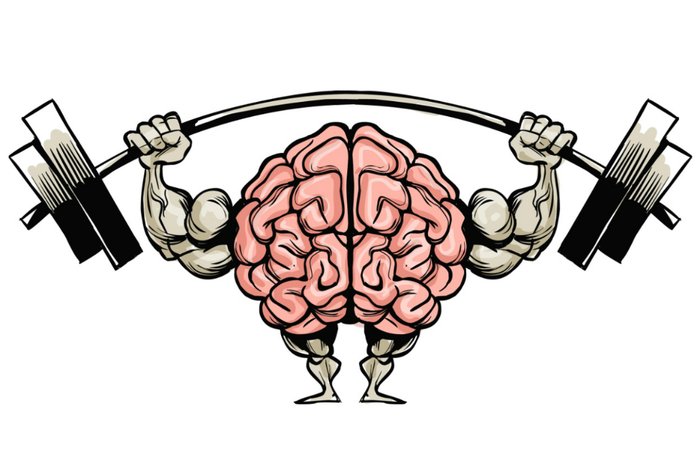
When we think of physical exercise, we usually immediately associate it with weight loss, muscle toning, or improved cardiovascular endurance. But did you know that movement has a profound impact on your brain and mental health?

In this article, we will explore how regular physical exercise—even when done at home—can be one of the best strategies for keeping your mind sharp, reducing stress, and improving your mood.
1. The brain loves movement too
The brain is a highly plastic organ, meaning it constantly adapts to everyday experiences and stimuli. Physical exercise increases blood flow to the brain, promoting the transport of oxygen and essential nutrients to neurons.
In addition, physical activity promotes the release of neurotransmitters such as dopamine, serotonin, and endorphins—known as the “feel-good chemicals”—which help improve mood, reduce anxiety, and combat depressive symptoms.
2. Memory and learning: muscles and neurons working together
Exercising stimulates the production of BDNF (Brain-Derived Neurotrophic Factor), a protein that promotes the formation of new connections between neurons. Studies show that physically active people tend to have better memory, attention, and learning ability.
Tip: after a workout, spend a few minutes learning something new—your brain will be more receptive!
3. Stress reduction: move to relax
Chronic stress is one of the main enemies of mental health. Physical exercise, especially activities such as yoga, brisk walking, or functional training, helps regulate cortisol levels (the stress hormone) and promotes a sense of calm and emotional balance.
4. Exercise at home: a powerful tool
You don't need a gym or expensive equipment to reap the mental benefits of exercise. Here are some simple ideas to incorporate into your daily routine:
✅ 10 minutes of stretching upon waking
✅ A quick 15-minute circuit of squats, push-ups, and planks
✅ Dancing to your favorite music for 5 to 10 minutes
✅ A mindful breathing session combined with light movement (such as tai chi or yoga)
5. Improved sleep and self-esteem
Regular exercise not only improves sleep quality but also boosts self-esteem. When you see progress—whether by completing more repetitions or feeling more energetic—you gain confidence and motivation to maintain a healthy lifestyle.
Conclusion
The body and mind are deeply interconnected. Incorporating movement into your daily routine not only improves your physical fitness but also strengthens your mental health. The best part? You can start now, in the comfort of your own home.
Remember: you don't have to be perfect, you just have to start!


