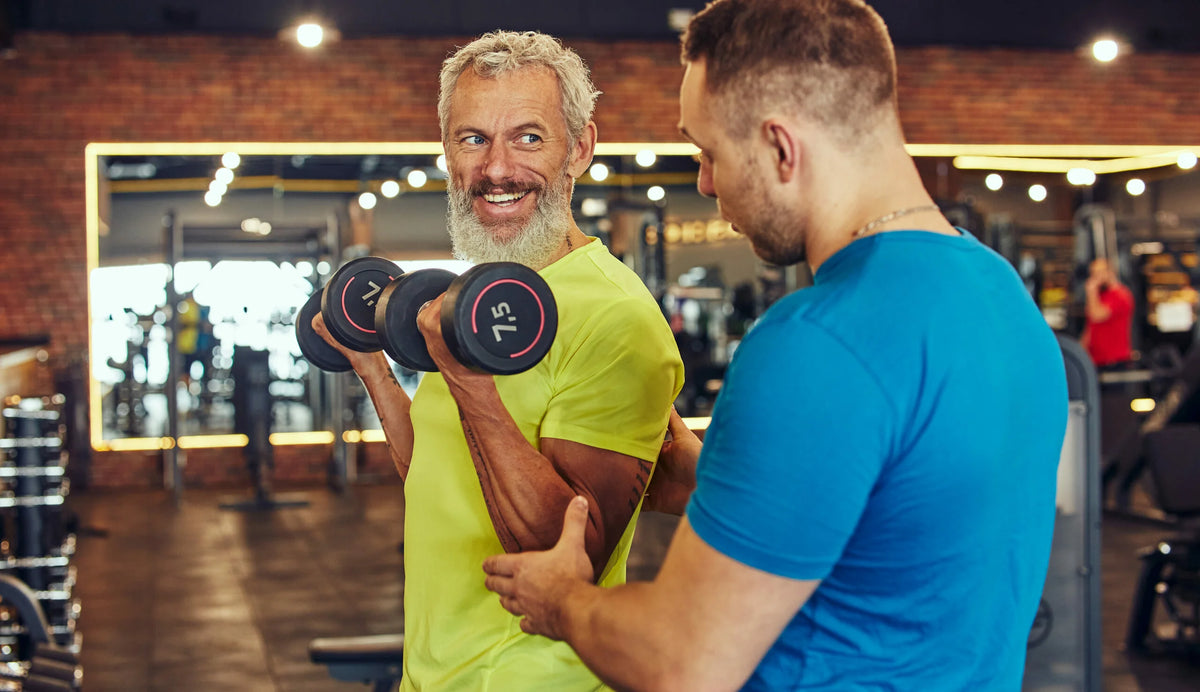
Longevity is a goal shared by many, but living longer does not simply mean accumulating years. It is about ensuring quality of life, independence, and vitality over time. Physical strength plays a fundamental role in this process, serving as one of the most important foundations for ageing healthily and resiliently.
Why is Physical Strength Important?
As the years pass, the human body undergoes various changes, including the loss of muscle mass and bone density. This process, known as sarcopenia, can begin in your 30s and accelerate after 60. Without strong muscles, the risk of falls, injuries, and loss of autonomy increases.
Studies show that maintaining muscle strength not only prevents these problems but also improves cardiovascular health, controls blood sugar levels, and promotes mental well-being. In short, physical strength is essential for living with energy and independence.
Benefits of Developing Physical Strength
- Prevention of Chronic Diseases: Strength training reduces the risk of type 2 diabetes, hypertension, and cardiovascular diseases.
- Improved Mobility: Strong muscles support healthy joints and make daily movements easier.
- Greater Resilience: Increasing strength makes it possible to perform tasks with less effort, even in old age.
- Psychological Well-Being: Physical exercise is associated with reduced symptoms of anxiety and depression, as well as improved self-esteem.
How to Strengthen Your Body for Longevity
Developing and maintaining physical strength requires a consistent commitment to physical activity and a healthy lifestyle. Here are some strategies:
1. Resistance Training
Exercises such as weightlifting, functional training, or bodyweight exercises are ideal for building and maintaining muscle mass.
Tip: Start with two to three sessions per week, focusing on exercises for all major muscle groups.
2. Balance and Flexibility Training
Practices such as yoga and Pilates help improve posture, prevent falls, and increase mobility.
Tip: Add stretching or yoga sessions to your weekly routine.
3. Proper Nutrition
A diet rich in protein, vitamins, and minerals is crucial for muscle building and bone maintenance.
Tip: Include lean protein sources (such as fish, chicken, or legumes) and foods rich in calcium and vitamin D in your diet.
4. Rest and Recovery
Rest is just as important as training. During sleep, the body repairs muscles and strengthens bones.
Tip: Prioritise 7–9 hours of sleep per night and include rest days in your training routine.
Inspiration to Get Started
Regardless of your age or fitness level, it is never too late to start. Small changes in your routine can lead to significant improvements in strength and quality of life.
At Treino em Casa, we are here to support you on this journey. Explore our articles and programmes to find the right plan for your needs and goals. Remember: the strength you build today will be the foundation for your tomorrow.
Conclusion
Physical strength is much more than an indicator of fitness. It is a vital component of a long, healthy, and independent life. Invest in yourself, start today, and build a solid foundation for a more active and happier future!
Suggested Blog Articles:
- Lessons for Longevity Based on Chris Hemsworth's Limitless Series
- Managing Stress: The Key to Mental Health
- Physical Strength: A Foundation for Longevity
- Nutrition: Nutrients as a Pillar of a Long Life
- Mental Resilience: Pushing Boundaries
- Sleeping Well: The "Elixir" of Longevity
- Social Connections: Living in a Community
Health Coach Consultation: The First Step Towards Your Complete Well-Being

Health is not limited to the physical – it is a balance between body and mind. Our personalised health coach consultation offers you expert guidance to develop healthy habits and achieve your goals sustainably. With the support of a dedicated health coach , you will find strategies tailored to your needs, promoting the well-being you deserve.
Discover the impact of individual support and take the first step towards transforming your health from the inside out.


